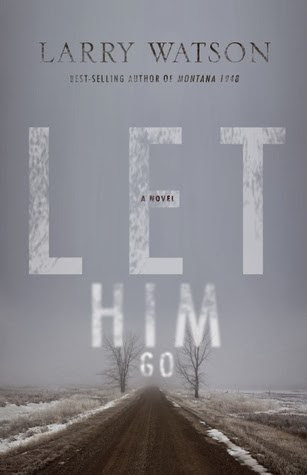
Although I am pretty sure I reviewed this before, I could not find it on here. So since I read it again, I will review it. It is one of my favorite books, maybe my most favorite. It has no weaknesses that I can see and all of the things I like most in a novel:
A single narrator, a first person point of view, a small number of characters, an injustice that's addressed, a rural setting, it takes place before technology changed our lives, good characterizations, short length, great writing.
David is an only child living with his father, a sheriff, his mother, and a native American woman, Marie Little Soldier, who helps out since both his parents have day jobs. Also in the picture are grandparents and an uncle and his wife, and a deputy. The uncle is a doctor who has cared for most of the townspeople since he returned from the second world war, a hero. David's Dad had a bad leg that kept him at home.
When Marie falls sick and they call for the doctor, David's uncle, she refuses to see him. It is soon revealed he has been abusing her as well as other Sioux women for years. His exact actions are not spelled out.
After this the book is mostly about how the sheriff handles his brother's crime. Will he hide it? Will he prosecute? Much of the pressure to overlook it comes from the grandfather, who almost views abuse of these women as his right. The family and the white townspeople do not see the native Americans as quite equal to them and deserving of the same protection. Even David's father admits he does not like "Indians"
There are a lot of things that enrich this narrative. The problem of the son who stayed home from the war, disappointing his father. How to handle a crime in your own family if you are a law enforcement officer, what your child will take from all this. How to do the right thing and what that right thing is. Is what is right absolute or does it change over time and place.
This is a terrific book as I have said.
For more book reviews, see Barrie Summy